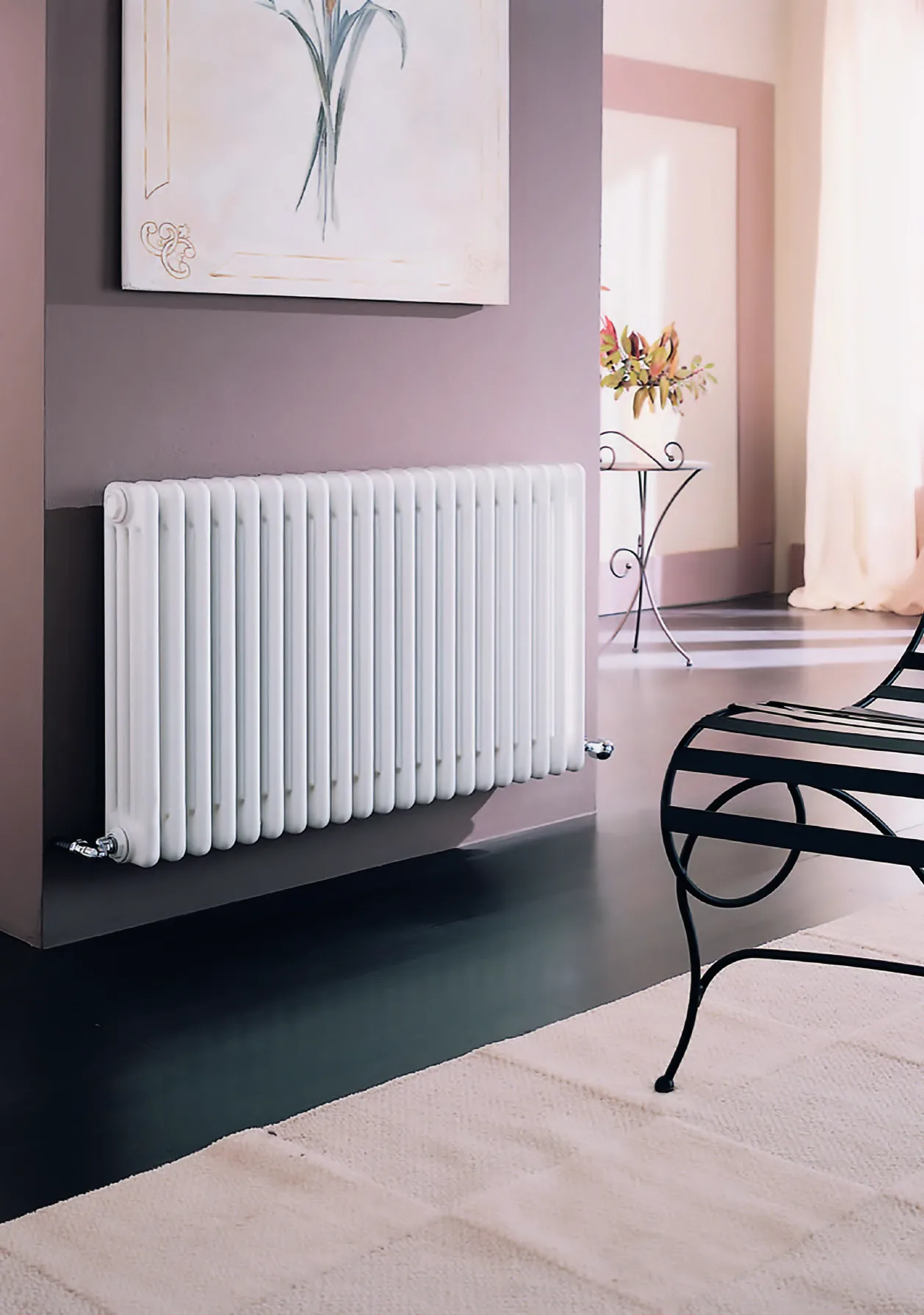
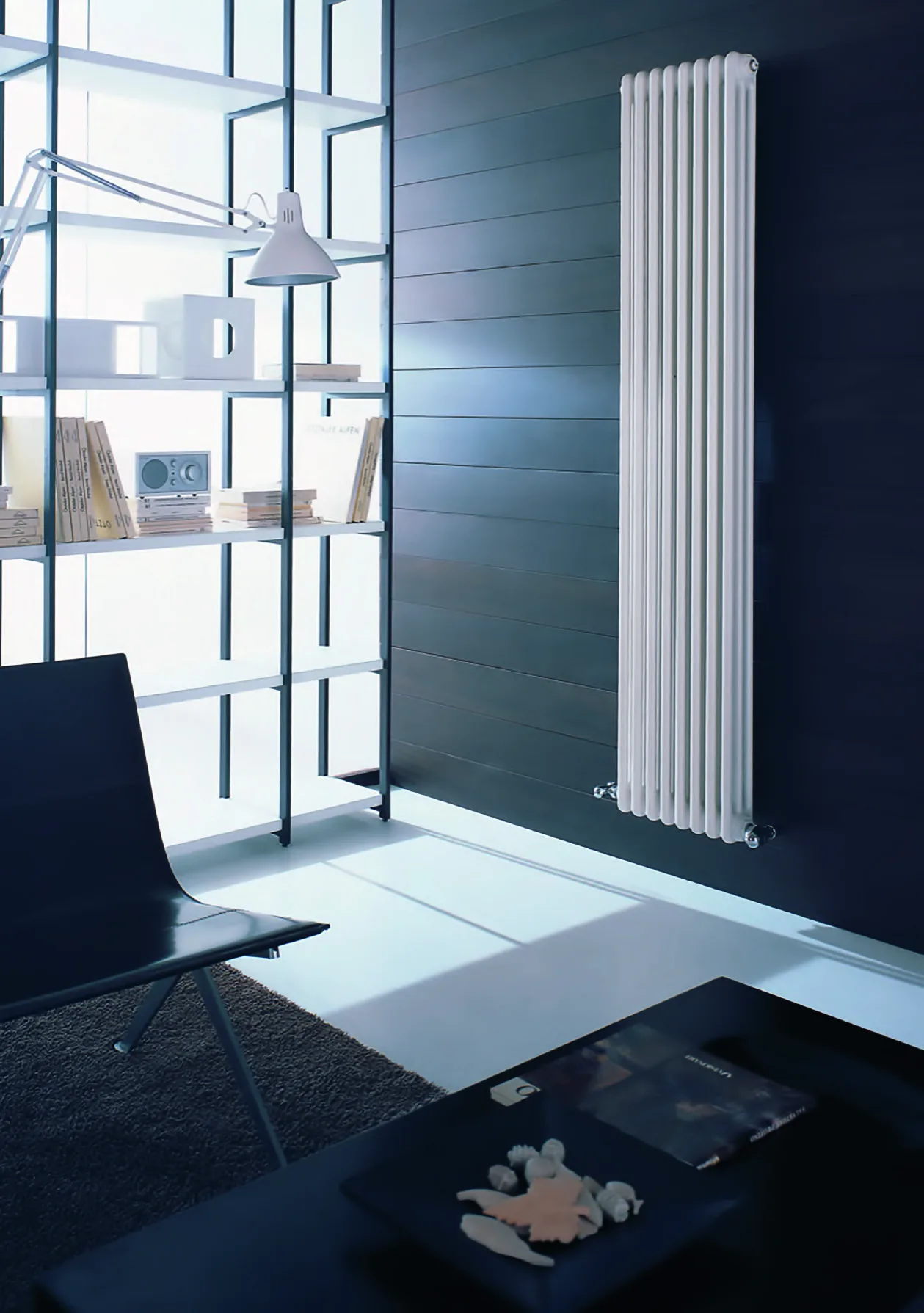
Picking a radiator by how it looks is the easy part. Picking one that actually heats the room depends on what's driving it, and that's where we see the most mistakes on supply-only orders.
Why the heat source changes the size
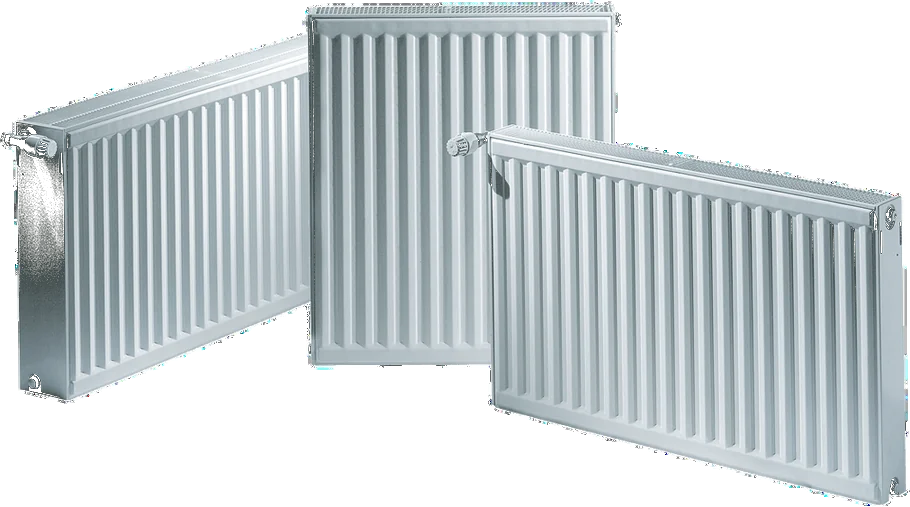
A radiator's catalogue output is measured under standard EN442 test conditions, with water much hotter than a modern heat pump supplies. Run the same panel cooler and its output drops sharply. That's why a room on a heat pump often needs a double-convector K22 or a longer panel where a boiler-fed room got by with a single K11. We size every IMAS unit from the room's heat loss at the flow temperature your system will actually run, not the brochure figure.
A few practical rules we use on every layout:
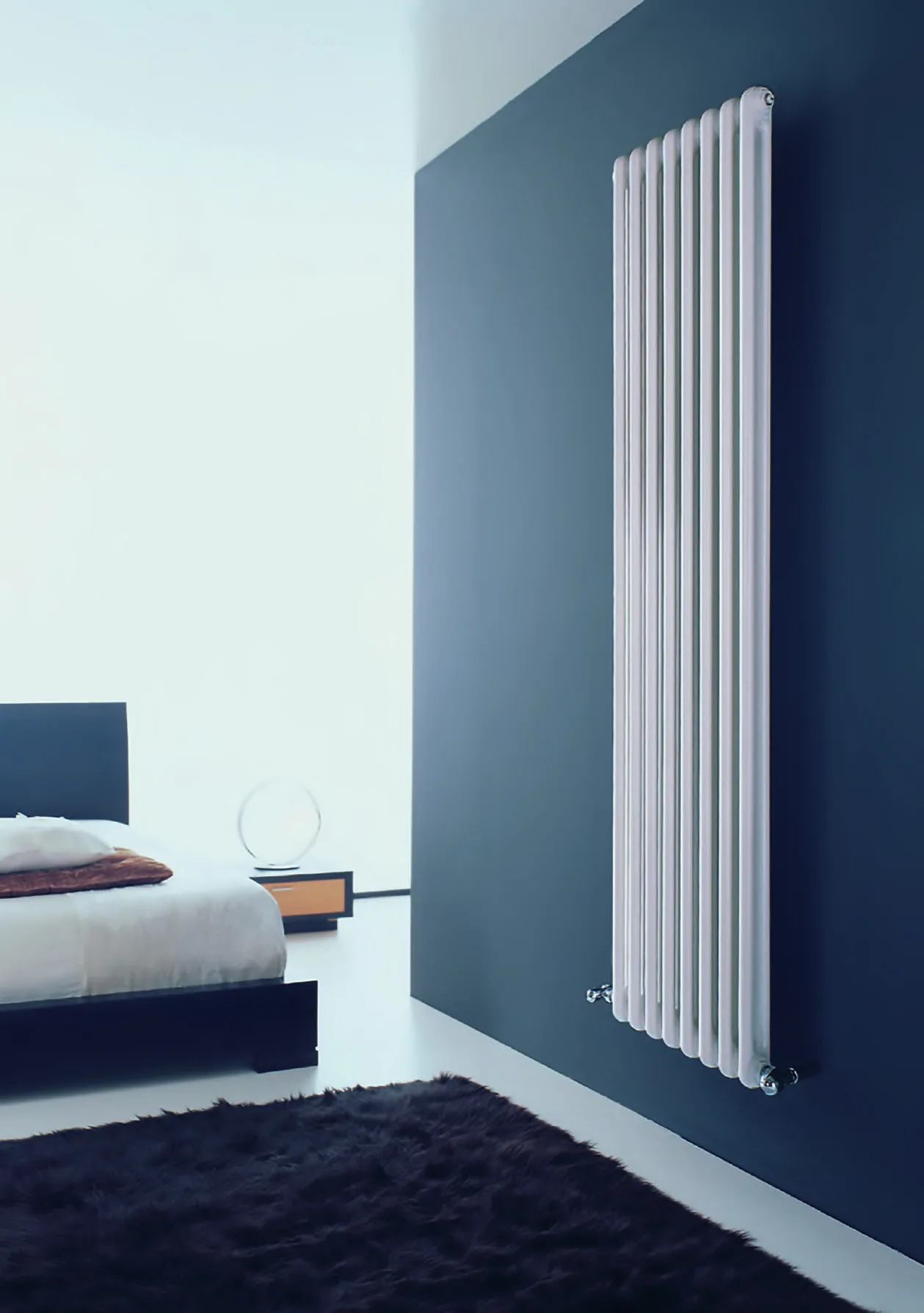
- Put radiators under windows where possible — they offset the cold downdraught off the glass. Low horizontal Klassic columns work well under wide glazing.
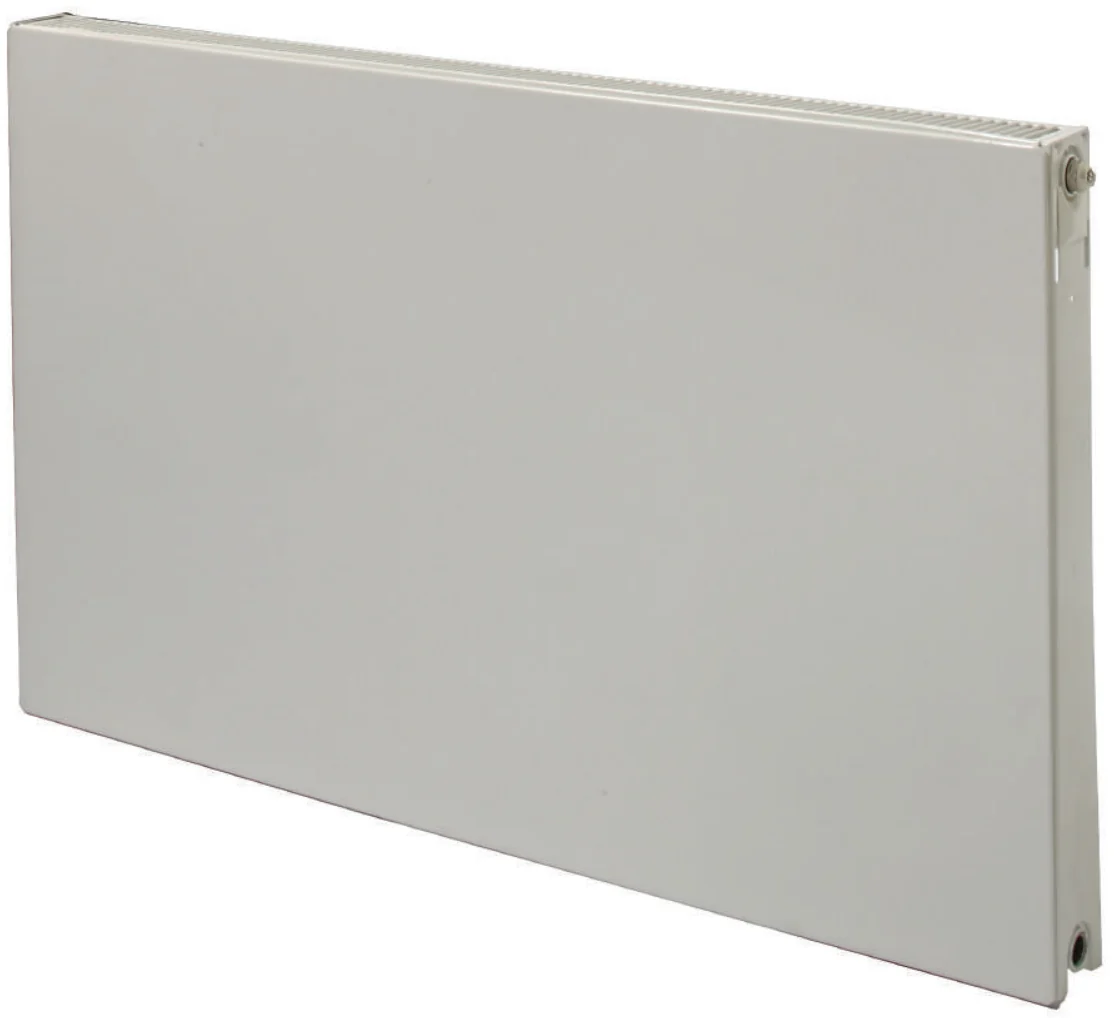
- Choose flat panels where easy cleaning matters, such as children's rooms and hallways.
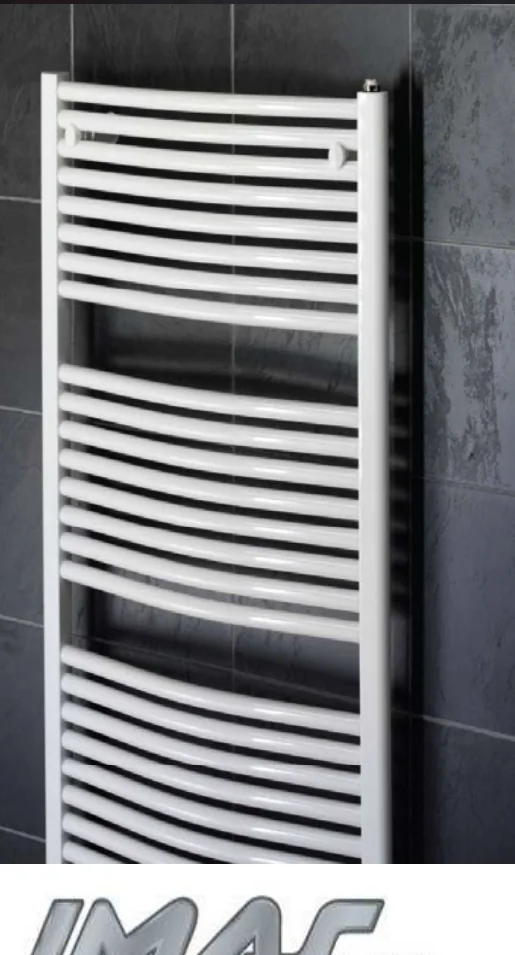
- Use Alubain towel warmers in bathrooms, where fast warm-up suits short, intermittent use.
- Fit a thermostatic valve to each radiator except the one in the room with the main thermostat.
Holding the range in Australian stock helps builders most. Panels can be on site when the plasterers finish rather than weeks later, and because we specify valves at the same time, the rough-in matches what arrives. When you send plans, include window sizes and ceiling heights alongside the room list — it lets us size each panel accurately first time. In heritage homes and terraces, Klassic columns sit naturally in period rooms, and we plan pipe routes from below the floor where possible so original walls aren't chased.
IMAS radiators pair with any hydronic source — see heat pump hydronic heating in Melbourne for a low-temperature design, or hydronic radiators in Sydney for local radiator projects. Room-by-room scheduling is easiest with MAXA thermostats, and IMAS is distributed in Australia by Next Cycle.