Blue Mountains hydronic heating specialists since 1998. Cold-climate-spec hydronic underfloor and slab heating, European panel radiators, air-source heat pumps with frost-resilient ratings, and condensing gas hydronic boilers — installed across Katoomba, Leura, Blackheath, Mt Victoria and the Lower Mountains.
Hydronic heating in the Blue Mountains needs a cold-climate design: Upper Mountains towns such as Katoomba, Leura and Blackheath sit at 800–1,100 m with a −5 °C design temperature and frequent frosts. A 200 m² Upper Mountains home with underfloor heating, a cold-rated heat pump and gas backup typically costs $42,000–$68,000 installed. AHHAC designs and installs across the Upper and Lower Mountains, dispatching crews from our Punchbowl showroom in Sydney.
Reviewed by the AHHAC Technical Team — licensed plumbers & hydronic engineers, NSW Lic 262528C.How we write & review
The Upper Blue Mountains (Katoomba, Leura, Blackheath, Mt Victoria) sit at 800–1,100 m with a −4 to −6 °C heating design temperature and regular winter snow — one of the most demanding hydronic climates in NSW (~2,000 HDD base 18 °C). We spec cold-climate-rated R290 heat pumps and alpine-grade pipe insulation on every Upper Mountains install.
AHHAC has been installing hydronic heating in the Blue Mountains since 1998 — across heritage Federation guesthouses in Katoomba and Leura, weatherboard cottages in Blackheath, modern architect-designed builds at Wentworth Falls and Mount Victoria, plus the Lower Mountains commuter belt from Springwood to Glenbrook. Our Sydney showroom in Punchbowl is the dispatch point for all Blue Mountains crews, with a direct line on 1300 76 53 39.
The Upper Blue Mountains (Katoomba, Leura, Wentworth Falls, Blackheath, Mt Victoria) sit at 800-1100 m altitude with winter design temperatures of -4°C to -6°C — colder than central Canberra and one of the most demanding hydronic-heating climates in NSW. This makes hydronic heating the standard spec for any quality Blue Mountains build: in-slab hydronic underfloor heating for new builds, European panel radiators for the area's many heritage timber cottages.
For Upper Blue Mountains sites we specify cold-climate-rated equipment: Maxa R290 heat pumps rated for -25°C ambient operation, or the Immergas Magis Hercules Pro hybrid that switches automatically between heat pump and gas backup based on outdoor temperature. We add the alpine-spec insulation upgrade on hydronic distribution piping (25mm closed-cell) to maintain efficiency through frost weeks.
The Blue Mountains has only a handful of dedicated hydronic installers, and most are general renovation plumbers. AHHAC brings our full Sydney design-and-install crews up the mountain — same engineering rigour, same European parts inventory, same dedicated service team as our Sydney metro installs. The drive from Punchbowl to Katoomba is 90-100 minutes, and we route same-day for urgent issues.
We're authorised installers for Maxa, Immergas Magis, Viessmann and Sime. For Blue Mountains heritage timber-cottage installs (Federation guesthouses, weatherboard miners' cottages) we often specify the ThermaSkirt aluminium skirting heating — heritage-friendly, no slab work, no visible radiators.
For Blue Mountains rural and acreage sites without gas connections, we specify hydronic wood and pellet burners with back-boiler integration — warm one room visually AND drive whole-home hydronic heating. Off-grid friendly, ideal for the Mountains' lifestyle properties.
AHHAC's in-house design and service team — licensed plumbers and hydronic engineers (Lic 262528C) who have designed and installed 2,400+ hydronic heating, cooling and hot water systems across Australia since 1998.
Every Blue Mountains system is designed from a room-by-room heat-loss calculation and installed by our own licensed plumbers and hydronic engineers to AS/NZS standards — never subcontracted out. We hold NSW plumbing licence 262528C and carry full insurance, and we stand behind every install with ongoing local service.
Every Blue Mountains project starts with a heat-loss calculation and a fixed-fee design. We size each system to your building, your climate and your living patterns.
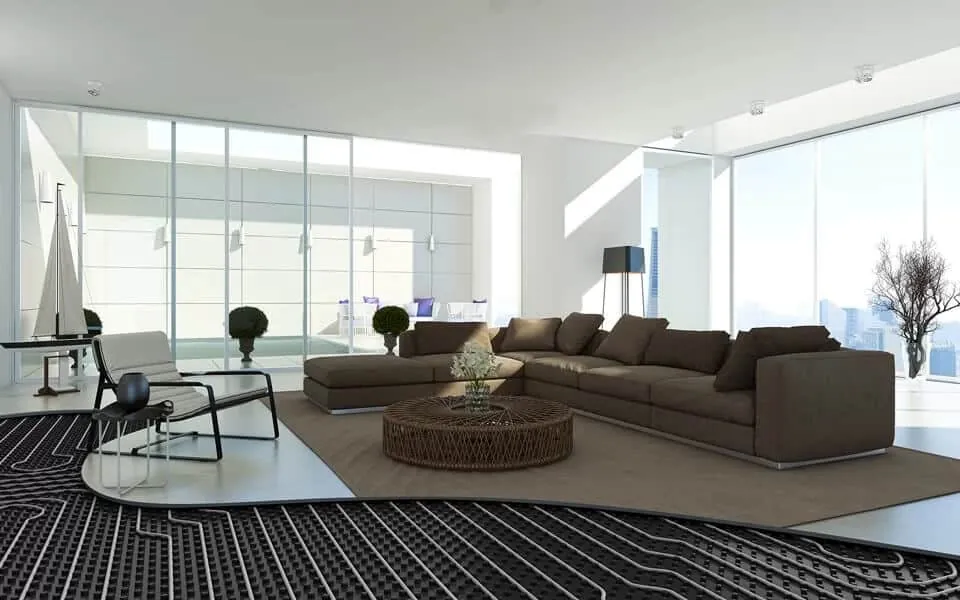
In-slab hydronic for new Blue Mountains builds — the gold standard for cold-climate Australian homes. PEX-A pipework, 30+ year life, even frost-morning warmth.
European panel radiators, cast-iron columns and towel rails. Fast 15-25 min warm-up — perfect for Blue Mountains weekend houses and cold-start mornings.
Maxa R290 heat pumps rated for -25°C ambient — proven performance through Upper Mountains frost weeks. Reversible for summer cooling.
Hybrid heat pump + gas boiler — switches fuel automatically based on outdoor temp. The smartest Upper Blue Mountains hydronic spec for sustained sub-zero.
Heritage-friendly aluminium skirting hydronic heating — perfect for Federation timber cottages and heritage guesthouses. No slab work, no visible radiators.
Hydronic wood and pellet burners with back-boiler integration — for rural and acreage Blue Mountains sites without gas. Off-grid friendly, 20+ year design life.
The Blue Mountains covers two quite different heating briefs, and the first thing we establish on a site visit is which one you're in. From Glenbrook and Blaxland up through Springwood and Faulconbridge, winters are colder than the Sydney basin but far gentler than the ridge, and a well-sized standard heat pump with radiators or underfloor usually does the job, at prices closer to Sydney metro. From Wentworth Falls up to Mount Victoria the brief changes: frost from May to September, regular snow in July and August, and a design temperature around −5 °C. That is where cold-rated heat pumps such as the Maxa i-290, alpine-grade pipe insulation and, for the coldest pockets, a hybrid with gas backup come in. The mid-Mountains villages sit in between, so we size those to the individual site.
Our crews come up from Punchbowl, a 90–100 minute drive, so we schedule Mountains installs in dedicated blocks and like to lock dates in over summer, ahead of the autumn rush. If you are adding hydronic to an existing cottage, our guide on how to retrofit hydronic heating explains the process step by step, and our Katoomba hydronic heating page covers the particular quirks of homes in the Mountains' biggest town.
Written from on-site experience by the AHHAC Technical Team.