Hydronics use water — the most efficient heat carrier on earth — to deliver radiant warmth without the dust, draughts or noise of forced-air systems. We design, install and service every type of hydronic system.
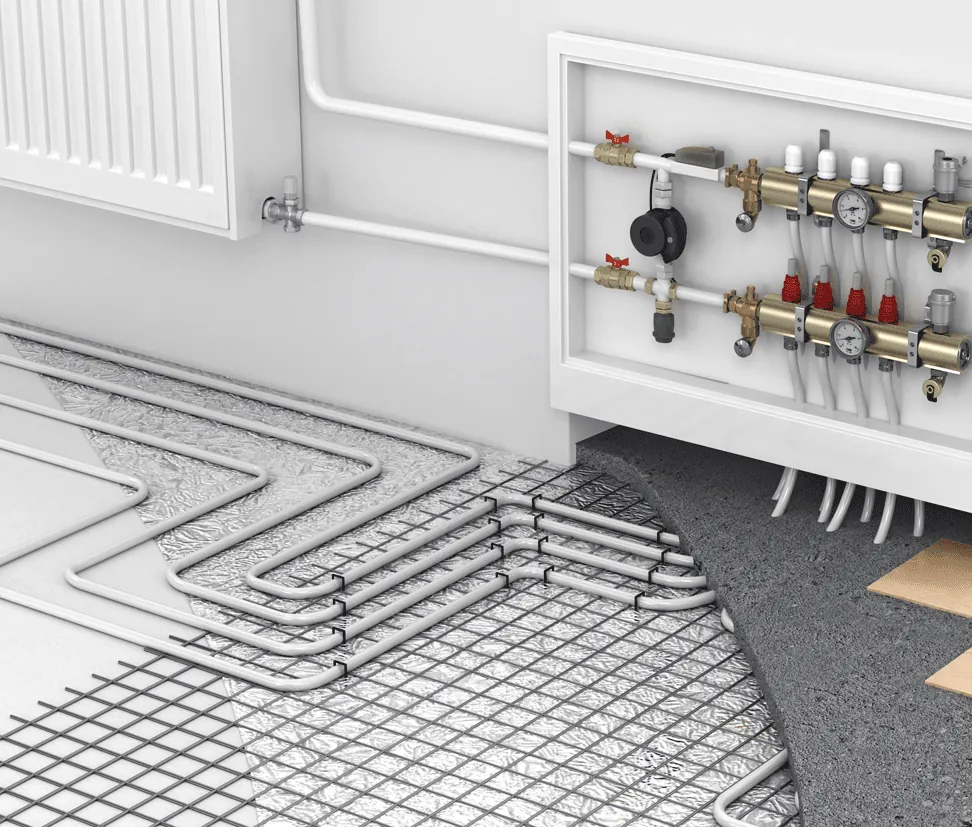
Water transfers heat ~24× faster than air. Hydronic systems run at lower flow temperatures, cutting running costs while delivering invisibly even comfort.
We mix and match across rooms — underfloor in the open plan, panels in the bedrooms, plinth heaters in the bathrooms. One boiler, one network, one controller.

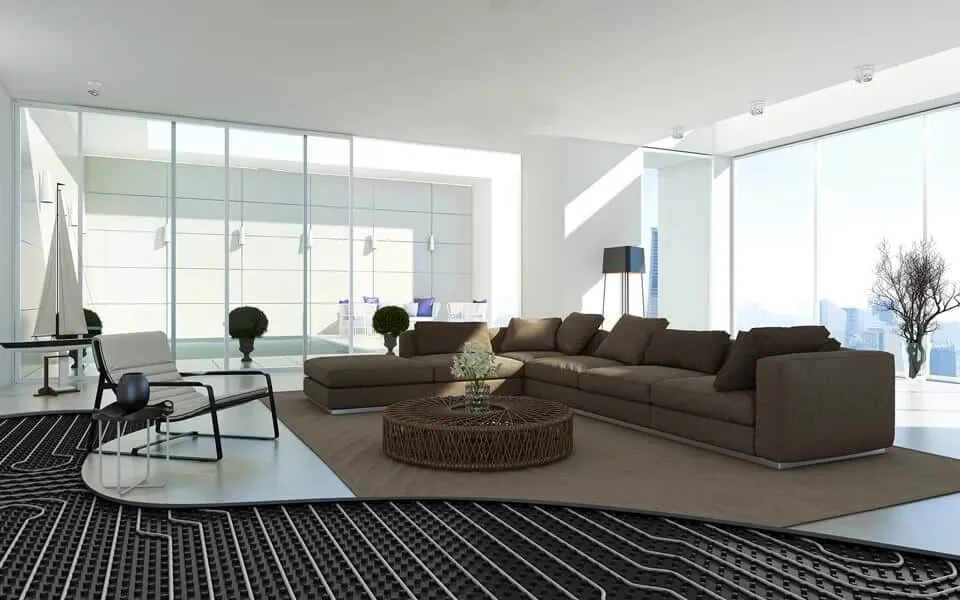
Pipes embedded beneath stone, tile, timber or carpet. Radiant warmth from floor up.
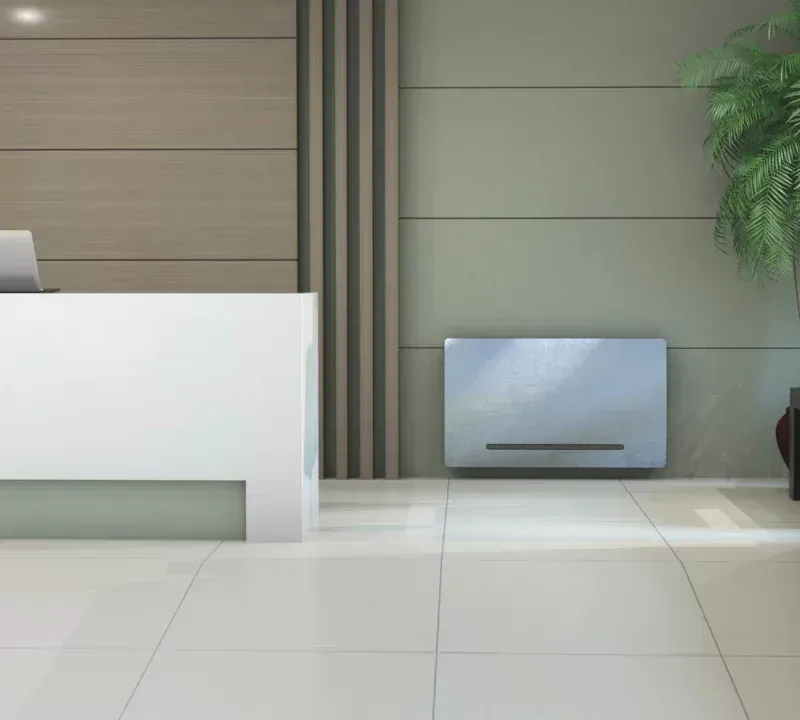
Sleek European panels with thermostatic valves. Fast warm-up, individual room control.

Concealed in floor channels or recessed in walls — perfect under floor-to-ceiling glazing.
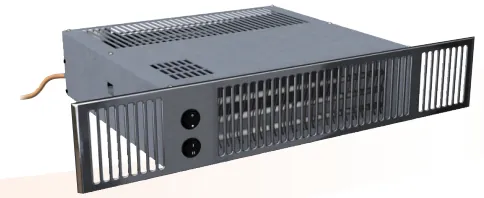
Heating element replaces standard skirting — invisible install in heritage renovations.

Discreet under-cabinet units that kick out warm air on demand — kitchens & bathrooms.
Combine the comfort of a real fire with whole-home hydronic warmth.
The beauty of hydronics: you can switch energy sources later without redoing the distribution network. Start with gas, swap in a heat pump, add solar.

Pair a reversible heat pump with the right emitters and your hydronic system delivers chilled-water cooling in summer — silent, even, no draughts, no recirculated allergens.
Explore cooling systems →Hydronic heating uses warm water — circulated through a network of insulated pipes — to deliver radiant heat to your home. The heat source can be a gas boiler, electric heat pump, solar thermal collectors or a wood/pellet burner. The emitters can be underfloor loops, wall-mounted radiator panels, skirting boards or trench heaters. One network, multiple options.
Yes — particularly in Melbourne, Canberra, the Snowy region, and any climate where night winter temperatures regularly drop below 8°C. Hydronics also outperform ducted in homes over 220m², heritage builds with poor sealing, and any project where occupant comfort and air quality matter. Typical payback against ducted is 7–10 years; useful life is 30+ years.
Yes. The same pipework distributes chilled water in summer — we add a chiller (often a reversible heat pump that handles both jobs) and a dew-point controller to prevent condensation. Most modern Maxa heat pumps reverse mode automatically. One network, two seasons.
Lower flow temperatures and water's superior thermal capacity make hydronics 25–35% cheaper to run than ducted equivalents in most Australian operating profiles. Pair with a heat pump driven by rooftop solar PV and you can get close to zero net running cost.
Yes. Our service team works on every major boiler, heat pump and emitter brand sold in Australia in the last 25 years — including takeovers from operators who've stopped responding. Annual service plans available.